
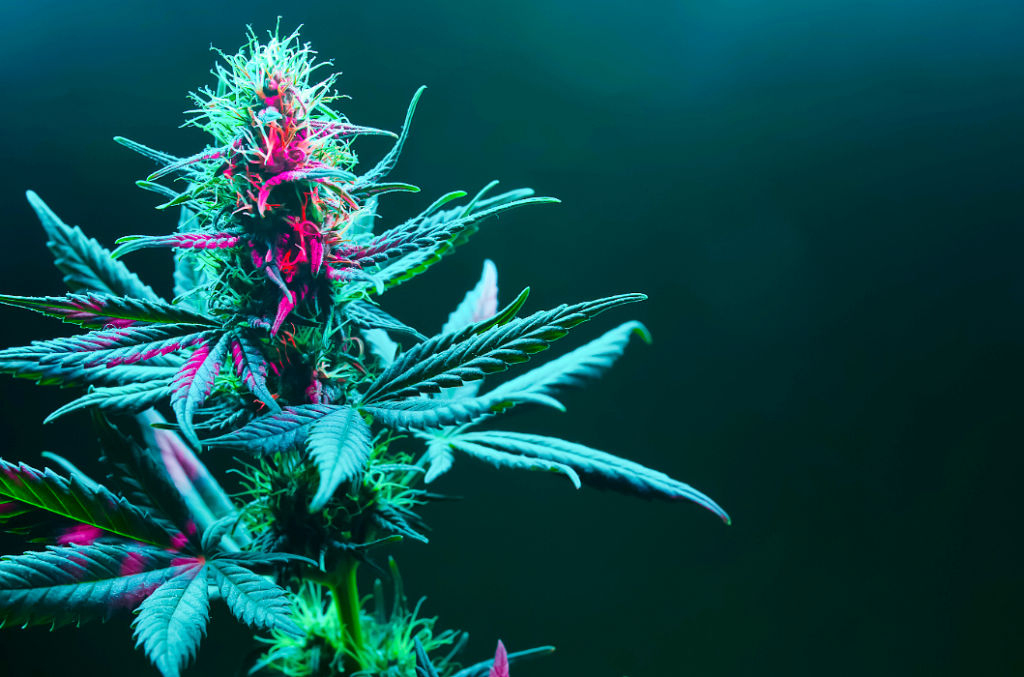
Oklahoma made history in 2018 when voters passed State Question 788, creating one of the most permissive medical cannabis programs in the country. Within a few years, the state had more dispensaries per capita than nearly anywhere else in the United States. But the legal landscape has never been simple — and in 2026, the war over cannabis enforcement in Oklahoma is far from over.
The crackdown
State and local law enforcement agencies have ramped up efforts to pursue illegal grows and unlicensed operations. The Oklahoma Bureau of Narcotics and the Oklahoma Medical Marijuana Authority have jointly raided hundreds of operations in recent years, many tied to out-of-state and foreign criminal organizations that exploited the state’s relatively open licensing system.
The crackdowns have swept up licensed operators too. Growers, dispensary owners, and processors have found themselves caught in investigations targeting their neighbors — or facing scrutiny over paperwork, ownership disclosures, and compliance records that didn’t survive a close look.
What the law says
Oklahoma law draws a sharp line between licensed medical cannabis activity and illegal cultivation or distribution. But that line is not always clear in practice. Landlords who rented to illegal operators have faced civil and criminal exposure. Employees of unlicensed grows have been charged as participants. Even licensed businesses have been shut down over technical violations that regulators decided to treat as serious offenses.
Federal law adds another layer of complexity. Cannabis remains a Schedule I controlled substance under federal law, meaning that anything touching the plant — even lawful under Oklahoma law — carries potential federal exposure. That risk is rarely theoretical for large-scale operators or those who move product across state lines.
Who is getting charged
The profile of cannabis defendants in Oklahoma has shifted. Early prosecutions focused heavily on foreign nationals running large illegal grows. More recently, prosecutors have pursued Oklahomans — including licensed operators — over allegations of diversion, fraudulent licensing applications, and operating outside their licensed scope.
Charges range from misdemeanor possession to felony trafficking. The difference often comes down to quantity thresholds set by statute — thresholds that can be crossed quickly in a commercial grow environment even without intent to distribute illegally.
The defense perspective
Cannabis cases in Oklahoma require attorneys who understand both the criminal statutes and the regulatory framework. A defense that ignores the licensing rules is incomplete. So is one that treats every OMMA violation as a criminal matter rather than a regulatory one.
Effective representation means examining how the investigation was conducted, whether search warrants were properly supported, whether evidence was lawfully obtained, and whether the state can actually prove the elements of the charged offense. It also means understanding what a conviction means for a client’s license, their business, and their future in the industry.
If you are facing charges
Cannabis prosecutions in Oklahoma are serious. Even misdemeanor convictions can affect professional licenses, employment, and your ability to participate in the state’s cannabis industry. Felony charges carry the potential for significant prison time and lasting consequences.
If you are under investigation or have been charged in connection with cannabis activity — whether you hold a license or not — you need experienced legal counsel as early as possible. The decisions made at the start of a case often shape its outcome.
Norwood Legal Group represents clients facing cannabis-related criminal charges throughout Oklahoma. We understand the industry, we understand the law, and we know how these cases are investigated and prosecuted.
Contact us for a free, confidential consultation.
By G.W. Schulz